Raoul Pal · The Journey Man
Digital Art’s Next Frontier
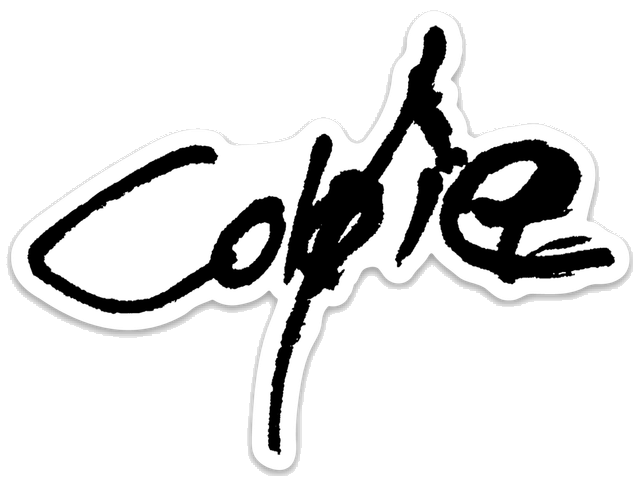
Coldie talks with Raoul Pal about stereoscopic 3D from View-Masters to the blockchain, Filthy Fiat's buried bills, and why his new work asks you to touch the art.
Chapters
- 0:00 Intro
- 1:38 Childhood: View-Masters and stereo cards
- 5:25 LA Weekly covers and the gallery years
- 10:24 From lenticulars to Bitcoin to R.A.R.E. Art Labs
- 14:46 Portraits as a record of the time: Decentral Eyes to Tech Epochalypse
- 20:44 Touch the art: kinetic and touchscreen portraits
- 26:46 Art, music and magnets
- 31:12 Making art with the overlords' tools
- 35:33 Filthy Fiat: the buried box
- 39:54 Mold as a collaborator
- 45:56 Trust Your Intuition
- 48:44 Collecting: the 30% rule and early AI art
- 54:44 The "so what?" test
- 58:03 Discovery, consistency and never "making it"
- 1:04:11 The burned canvas: from trash to $420
- 1:07:31 What's next: Touch the Art in Lisbon
In his words
“I would go into every single show with the vision that I want to pick my two favorite pieces from this show. And if I was a collector, I would buy those.”
“If I have that conversation at the gallery, I've already won, right? Because they're looking at the art and they've connected to a face.”
“And the mantra snapped in my head is, 'No — touch the art.'”
“I'm learning about the impermanence and fragility of fiat currency, right? How deep is that?”
“Every single bill tells its own story, and it has its own metadata that is unique.”
“Art is a forever journey.”
Full transcript
Lightly edited from the video’s captions for readability. A dash (—) marks a word the captions muted; [inaudible] marks a word they couldn’t make out.
Intro montage
0:00 COLDIE: “Don’t touch the art.” Right? How many times have we said that? And it made this negative spin in my head. It was like, why am I telling my kid not to experience something in the way that he wants to? This mantra drove me to look at my own practice in a way that invites people to experience art.
0:00 RAOUL: I don’t know what you’re talking about, but it sounds cool as — and I trust you. But I’ve just seen it grow over time. It’s like, wow, this is incredible.
0:00 COLDIE: And it truly was magic. A lot of times in the creative process, I try to get out of my own way. And it’s almost like a movie where you just have to keep playing the scene and you don’t know what’s going to happen next, but if you allow yourself to detach from expectations and anything like that, that’s where the real cool — happens.
0:32 RAOUL: Even the story of you have the piece of paper issued by the US government, you go into the bank and try and exchange it for a fungible and you’re told it’s non-fungible. I mean, that’s wild.
0:32 RAOUL: Join me, Raoul Pal, as I go on a journey of discovery through the macro, crypto, and exponential age landscapes. In The Journey Man, I talk to the smartest people in the world so we can all become smarter together.
Interview
1:05 RAOUL: Coldie, welcome to Real Vision, my friend.
1:05 COLDIE: What’s up, Raoul? How are you?
1:05 RAOUL: I’m great. I’m really looking forward to this, actually. Because in this whole series of The Journey Man, I spend a lot of time on macro, crypto stuff, but I try and bring everybody along the art journey. And I’ve been explaining to people that art always clashes with culture and with technology, all at the same time. And you’re kind of at the forefront of all of that, and I’ve been following your journey forever, so I just can’t wait to dig into all of this.
1:38 COLDIE: Yeah, that’s awesome. We’ve hit it off at Marfa, you know, that was super fun. We’re kind of in art camp, I’d call it, where we’re just kind of roughing but having a great time. So, yeah. It’s going to be fun.
1:38 RAOUL: So, listen, start people off with your journey. How the hell did you get to where you are today?
1:38 COLDIE: You know, it’s funny, growing up I was never thought of as an artist or a creative. I was kind of a jock kid. So I was always doing sports and staying active with that. I never really cared about drawing. But there’s this weird little thread that wove through my life, kind of subconsciously. And it’s really wild to look back. I actually brought a couple little things to share.
2:10 And it all revolved around stereoscopic images, okay? I was born in ‘82, so we’re talking mid-’80s. Somehow these stereoscopic devices were weaved into my life, okay?
2:43 RAOUL: These are the little —
2:43 COLDIE: Yeah.
2:43 RAOUL: These are View-Masters, right?
2:43 COLDIE: Yeah. And this is actually one I made for a project. But I had these, I’d flip through this, and basically these are still-image VR. So I had these discs.
2:43 RAOUL: You had these discs. I remember these well.
3:16 COLDIE: Yeah. And I remember it was a Taiwanese street market. I don’t know, I just happened to have it. And when I put that into the viewer — I lived in Orange County, California — I was transported. I imagined I was stuck in a spot, but I was living this scene, ‘cause it had depth and it was real. And I was 8 years old and it made this deep-seated connection in my brain.
3:16 After that, I don’t know how we got these. It was my grandparents. This is from like the 1910s. Same technology: two images create a stereoscopic picture. This is a Wild West, with a lasso guy. I had that around. Instead of watching a movie, I’d look at 3D cards. It was very odd, but it was there and I liked it.
3:49 So time goes on, I’m not even thinking about stereoscopic, but then I go to high school and I have this amazing video production and graphic design class. I was surrounded by guys who later went on to be, like, early [inaudible] DP for, like, the “I’m on a Boat” music video — really, really high-end guys. And we’re just these nerdy mountain kids, right? If you looked at us, they’re like, this is a ragtag group of kids. I don’t know, the cosmos aligned and we were doing cool — with each other, and then we all went off into the world.
4:54 And through that I went to get my art degree. And all of these things that I had been planting seeds in my mind, I knew I was like, I want to go after that stuff, because I connected with it. It was a weird mix of science and math and art in these weird ways. And I guess, long story short, that’s what kind of wove me into what I’m doing now.
5:25 RAOUL: So where did technology, blockchain, all of these things start layering into this? ‘Cause you come out of art school, all of that stuff, great. But dot dot dot, Coldie becomes one of the best collectors in the space, one of the pioneers of the space, somebody representing the culture of the space and building all on blockchain. I mean, that’s quite a big leap from “Yeah, we were doing cool — at university.”
5:25 COLDIE: Yeah, yeah, sure. So I’m getting my art degree and I’m living in LA. And one of the biggest paths that opened up for me was one of my professors at school set me up with an interview to work for LA Weekly, which is the biggest alternative paper. It’s kind of like the Village Voice — it’s the same company as the Village Voice in New York. Every week we had 100,000 readers. I was designing the covers for those right out of school.
5:58 RAOUL: Wow.
5:58 COLDIE: And jumping into the fire, right? Like, if you — up on that cover and it goes to print with a typo, 100,000 people are going to dog on you, right? It was no joke. And I remember it went to press on Tuesday night. I’d stay late till like 2:00 a.m. doing covers. Sometimes the cover would change if there’s a news story at like 11:00 p.m. Editor comes down and says, “Cool job on that one, but that’s out. Here’s your new cover. I need it in half an hour. Let’s go.” So I got used to designing extremely quickly and efficiently.
6:31 But every morning when it would hit the newsstands — I had a stand near my house — I would anxiously speed-walk to that stand and pull it out and make sure I didn’t — up. ‘Cause even though I looked at it a thousand times, it’s like, “Did I spell the headline wrong?” I don’t even know, you know?
7:06 So LA Weekly opened up everything. I got access to art show openings. I was doing concert reviews that they were publishing. I just got to fit in where I wanted. I was like, “Hey, I want to go see Tool.” They’re like, “Oh, I can get you a photo pass or review pass for that.” I was like, “Oh, okay.” And the same night that I did Tool, I also did a review for Obama. He was doing a — I had to leave Obama’s talk halfway through and then go to Tool. That was LA Weekly, right?
7:39 So I bring that up because I was going to art shows throughout all of this, these great graffiti shows. I went to the Banksy show before it got announced. I was going to see Roger Gastman, who’s a great curator. Yeah, go ahead.
8:12 RAOUL: Yeah, ‘cause Banksy did that famous exhibition early on in LA, didn’t they? It was the painted elephant.
8:12 COLDIE: That’s right. Yeah. So my boss comes up to me randomly on a Tuesday. She’s like, “Okay, so you’re done for today. Here’s an address. Just go and pretend like you’re supposed to be there.” That’s all she said. I was like, maybe this is some scouting trip for a cover, I have no idea. I walk in there like I’m the boss, right? People are working, shuffling around, and I walk into the Banksy exhibit as they’re setting it up. And I’m like, “Holy shit.” I was not prepared for that. So I’m playing it cool, just kind of walking around, meandering. And then, like, Macaulay Culkin is next to me buying art. You know, it’s just some weird LA —.
8:45 And my whole mantra, still to this day — I never had money to buy art. I’m an artist, right? But I would go into every single show with the vision that I want to pick my two favorite pieces from this show. And if I was a collector, I would buy those, right? So every show I would study everything, and at the end of the night I’d kind of be like, yeah, I’d get that one and that one, right?
9:17 So after dozens and hundreds of shows and exhibits and examining things, not only did I kind of train my mind for what I would collect, but I was also training my artist self. I always looked at the side of canvases. I always looked at the imperfections of the signature, or, you know, what was it to be an artist in the gallery? What does it take and not take? There’s an interesting research study. So I would go into all these events and just literally download as much as I could, and then, just like the stereoscopic stuff, it pops out in weird ways. So that’s kind of how I learned to collect, I’d say.
10:24 RAOUL: And then where does it all fit in with blockchain? Because you were, again, very early on blockchain as a collector and a creator.
10:24 COLDIE: Yeah. So while I was at LA Weekly, I got my first stereoscopic job, doing a 3D glasses campaign for a concert. And through that, I started making lenticulars. So I was developing my art repertoire of what I wanted to create.
10:55 And then in 2017, I was watching a podcast about gold and silver and “what the — is money,” right? I went to art school. I literally didn’t know about finance. I was like, I got to learn something. Inevitably, somebody came on talking about crypto and Bitcoin, and it clicked. I was like, ooh, okay. It just registered. And I quickly saw this emerging — you know, it’d been around for what, 6 years, but it was still very early.
11:30 RAOUL: What year are we talking?
11:30 COLDIE: 2016–17. Yeah. And I was like, how do I help promote this new thing? And my tangible skill on this earth is art. So I typed in “blockchain” —
11:30 RAOUL: … selling up to this point?
11:30 COLDIE: Yeah, I’d started getting into gallery shows. So I’d been getting stuff going, but art is a really arduous, long task. So I was doing it, people were responding to it, and I was creating a body of work, right? Which is the hardest part for an artist: to get together a group of things that are cohesive. That’s when you can then take it to a gallery and say, “Hey, here’s what I do.”
12:04 So I typed in “blockchain art” in Google, 2017. We got CryptoPunks, Rare Pepe, CryptoKitties. There was not very much. DADA.nyc — I love them. And then there was this website called R.A.R.E. Art Labs. And they allowed artists like myself to tokenize their digital artworks and put them on chain, as ERC-20 tokens. And that was the start.
12:39 I thought of it as a dating site. I was like, I have this stuff that I’m making and I’m doing shows and I’m doing my normal deal — why not make a profile, so that if somebody across the world happens to see this site…
13:10 RAOUL: You were kind of thinking of it like a MySpace for your art or something?
13:10 COLDIE: It was a zero-risk opportunity to share my art. And there was no one buying anything.
13:10 RAOUL: Was XCOPY around by then?
13:10 COLDIE: He was also — yeah, it’s funny. He was also on R.A.R.E. Art Labs, and I was recently looking at the different token mint dates, and I minted like a day before XCOPY. But we didn’t know each other. There was no — Hackatao was on there, Osinachi, Miss AL Simpson, Rare Scrilla. There’s a lot of good people; I’d be remiss to name everybody. But there was no community. It was just some random dude over in the UK, I don’t know. And then it went under. No collectors really cared.
13:41 RAOUL: Had you sold anything?
13:41 COLDIE: No. Mostly to either the platform owners, or if I hustled at an event and found one person. And everything was 10, 15 bucks. My first Vitalik portrait was on there and no one ever bought one. So I ended up burning all 25 tokens and then re-minting it years later as The Lost Vitalik, and then sold. So it was a crazy time. There was, like I said, zero expectations. Nobody gave a —. It was weird.
14:46 RAOUL: And then you kind of started coalescing around a couple of cultural ideas that you wanted to explore. One being, obviously, Filthy Fiat and the idea behind money itself, and the other about technology and what’s happening. Talk us through, because I’ve always thought of your work as very prescient about what is really happening to culture, to society, expressed through this medium. That’s why I’ve collected your work, ‘cause it’s super appealing to me, ‘cause it’s the language I speak and how I think.
15:18 COLDIE: Yeah. When I got into the space, I always feel like, for me, art that I can connect to in a way that’s abstracted is a fun way to create. So as I’m living this blockchain life, there’s different people who kind of raise their hands. They do certain things, and I chose people who I thought would be important to the movement in crypto, right? So Vitalik Buterin, Andreas Antonopoulos. I’ll show you — this is an old lenticular of Andreas Antonopoulos. You can see the stereoscopic effect.
15:50 RAOUL: Very cool.
15:50 COLDIE: So in terms of crypto, I was making portraits and things that were a scrapbook item for me, that I was living through. But then I also thought about the future. Like, we went — an Andy Warhol exhibition. You see all these faces on a wall or in a gallery, and it’s a time and a place. Each thing is there for a reason, right?
16:22 RAOUL: Because it’s the recorded storytelling of what it meant to be alive today.
16:22 COLDIE: Yeah. Yeah. And, you know, John McAfee — if you were around in 2017, you would definitely remember him saying he would eat his blank on national television if Bitcoin was not a million dollars, right? That was well-known information, that John was going to do that. So I put that in the portraits of him. That has to be recorded, and it was funny as — to put that in there, right? But I’m like, he said it. I’m just the recorder here.
16:56 So it became really important to me to have these times and places. And like you’re talking about, the latest portrait series is called Tech Epochalypse, which you have collected — thank you for supporting that. It’s meant to be an educational study, right? Where you see these faces of people and you can be like, “Oh my god, is that Elon Musk?” Right? If I have that conversation at the gallery, I’ve already won, right? Because they’re looking at the art and they’ve connected to a face. Then the next question is, “Why did you do a portrait of Elon Musk?” Or, “Why Jeff Bezos?” And that’s perfect, right? That’s the exact reason that this is here: to teach people about what is happening, what they’re doing to help us, and control us, right?
17:29 RAOUL: Yeah. I mean, what I loved about this series was — and you’ve been kind of working towards it anyway — but even the name, Tech Epochalypse, is both things. It’s the epoch of today that’s all technology. Technology is culture, is everything right now. In fact, it’s going to be everything. And yeah, sure, we’ll have a counterbalance of nature and stuff, but really it is the main focus of humanity. And is it good or bad? Well, that’s the “-lypse” at the end of it.
18:02 And then having those key characters, because these people are probably the most important people in all of humanity, because they’re going to shepherd us from being apex intelligence to sub-apex intelligence, and we’ll have birthed a new super creature. And our entire existence is in their hands. I mean, it’s wild.
18:35 COLDIE: Yeah, it’s fascinatingly scary, because we’re putting trust in these people, and we’ve already given them all the data without even knowing it. I know people say, “Oh yeah, restrict our data. We don’t want to share it with the government.” I’m like, hell, your Google knows more about you than your wife does.
19:07 RAOUL: Yeah. 10 years too late, buddy. I mean, you don’t think the government have access to your bank account, you’re really stupid.
19:07 COLDIE: Exactly. Yeah, so it became educational for me as well, right? ‘Cause I’m making this series and then I’m digging more into what these people are doing, and I’m —
19:07 RAOUL: But why did you feel like you had to comment? It’s not that you did comment, but what made you as an artist think, this is really important, I need to do this? ‘Cause, you know, as far as I can see, there’s only two people doing commenting on this specific thing right now: you and Beeple. You guys are both coming at from similar but different angles, but you’re both trying to say the same thing. What made you really want to say it?
19:39 COLDIE: You know, I think it started — everything is a rabbit hole, right? So I was wanting to do this Elon portrait for a while. I’d been working on it, working on it. And then I started looking at it. I was like, well, if Elon’s doing this, what about Jensen Huang? Like I said, everyone starts raising their hands, and we have a group. It’s hard to explain it other than, I think, in my own art making, storytelling is taking a front seat.
20:12 And while I want to have a conversation about Vitalik Buterin, right, I think it’s a lot deeper to have a talk about what all these people are doing, because it’s not just one guy, right? You couldn’t tell the whole story just with Mark Zuckerberg. But Mark Zuckerberg makes a whole lot more sense when you’ve got Sam Altman, Jensen Huang. It’s like a superhero story, right?
20:44 RAOUL: Yeah, it is. Or super villains, and nobody’s quite sure which, which is what the story is in itself.
20:44 COLDIE: Yeah. Yeah, they’re the overlords, right? And I made a website called knowyouroverlord.art. And the bigger piece of this, which is kind of an evolutionary movement in my career, is I want people to touch the art.
21:16 And this came about because I have a son, and I take him to galleries when we’re traveling or wherever. It’s like, “Hey, we’re going into a pottery shop or going into a studio — don’t touch the art.” Right? How many times have we said that, to our friends and family and kids? “Don’t touch it. Don’t do it.” And it made this negative spin in my head. It was like, “Why am I telling my kid not to experience something in the way that he wants to? How dare I, as a good parent, do that?” And literally, in the gallery, I’m having this existential talk with myself, like, “Whoa, whoa, whoa, whoa.”
21:50 And the mantra snapped in my head is, “No — touch the art.” I didn’t tell him till after we left. But this mantra drove me to look at my own practice in a way that invites people to experience art. Instead of what I called side-stepping at a gallery, where you kind of look at something for 20 seconds and you side-step to the next thing. Are you even looking at it? Are you even registering what you’re doing, or are you just side-stepping? This forces people, or invites them, to physically move the screen.
22:24 I want to kind of show you — can I show you this thing?
22:24 RAOUL: Yeah, yeah, yeah, yeah.
22:24 COLDIE: ‘Cause Raoul, when you collected this, this thing didn’t even exist.
22:24 RAOUL: No, I know. Just because I loved your work. You said, “I’m doing something new.” I heard about it. I’m like, this is so right up my street in terms of, A, how clever it is, the cultural references. I just thought it’s brilliant. So I was like, “Yeah, whatever you’re doing, I’m in.”
22:55 COLDIE: Yeah, and this is the fun part, ‘cause I’m creating this series in real time. And I told you this going in. I’m like, I’ve got this token and I can update it as we go, but I just got to start making now.
22:55 RAOUL: I’m like, I don’t know what you’re talking about, but it sounds cool as — and I trust you. It’s hilarious, ‘cause I’ve no idea what you’re talking about. But I’ve just seen it grow over time. It’s like, “Wow, this is incredible.”
22:55 COLDIE: Yeah, and it’s fun because I was like, “Fuck around and find out.” I have all these plans in my head and I’m going to execute them, but if I waited till I executed all those things, it’d be freaking years. I just got to start now. Like, hop on. If you want to be on the train, it’s leaving, and let’s go. Okay, let me hop over.
23:28 RAOUL: You know, just talking about it while you’re doing that — Suarez. I don’t know if you know Suarez yet. He’s a generative artist from Argentina who uses emotion by putting it through a machine and then turning it into stuff. He hit me up and said, “Oh, I’m just developing the pieces that I’ve done for you further now. Now you can plug in a brain sensor and have your own emotions on the artwork.” I’m like —
23:59 And also the other person who just hit me up today was Carbone. He’s like, “Oh, by the way, in the background I’m going to change all your GIFs. I’m going to turn them into some cataloging, via AI, of all important news flow.” I’m like, “Why are you doing this? I bought your piece of art a year ago.” He’s like, “Because I just want to evolve it. It’s cool.” And you’re doing the same thing. You’re like, even though I’ve got your art, this is not the final state of where this is going. And I love that.
24:30 COLDIE: Yeah. So can you see this?
24:30 RAOUL: Yeah.
24:30 COLDIE: Okay. So this is the Elon Musk European variant. This is going to be in a Vhils gallery in June. And what I’ve made is —
24:30 RAOUL: Wow.
24:30 COLDIE: — put this into a touchscreen where you can move all the pieces around. Because the actual ones already do this, but you can’t touch them. You can touch them with your pixel, or with your mouse.
25:05 RAOUL: I mean, they’re amazing to play around with — how you can create your own art, build your own art, change it.
25:05 COLDIE: Yeah, you can add effects to it. And this will be live at a gallery in Lisbon. And this is the first test of letting people play with the art. You can delete items. And really just feel something. And I think, to me, that is a great evolution for this, because —
25:05 RAOUL: Well, you’ve also done these style portraits in physical 3D art as well, haven’t you? Layered art. Again, you’ve been manifesting this idea in many ways. You started with a simpler format, then you started building the physical format, then you started building an interactive digital format as an NFT, and then you’ve gone even further and now created a physical digital format. So you’re just exploring every angle of this, which I find fascinating.
25:40 COLDIE: Yeah, it’s becoming this internal dialogue back and forth, and I’m kind of the middleman. The very first piece I made was a physical portrait that uses magnets. And each of the pieces is made of Dibond sheet metal. And the magnets hold it onto the backboard at different levels — the magnets are different lengths, right? So you can move the portrait all around and choose how much depth it has. And that was very satisfying. It checked the boxes of, like, if I’m not amused, or if I’m not kind of scared, or, you know, there’s not this —
26:46 Here’s a wonderful analogy, and I tapped back into this feeling again just over the weekend. I grew up listening to a lot of music. I was a kid of the ’90s, so I was a grunge baby, but I went deep back into the ’70s, ’60s. I know a lot of —. And there’s a certain essence when you hear music at a very high level of orchestration and proficiency, where it’s just that “it” factor, right? When you can’t describe it until your body is taken over by it, and you feel it right there. There’s a visceral feeling.
27:20 And I felt that driving in the car. I forget — I think it might have been ELO. Just some of these orchestrations just hit me hard. And throughout my life I would make art to music, and only when the stuff I was making personally felt right, in my own vibe — that I was hitting what I could execute at a level that I could hear sonically, if that makes sense. I see and feel art the same way as I see and feel music.
28:28 RAOUL: Exactly the same thing. For me, it’s always the — I grew up in the late, kind of, this awful stage in the UK, where there was race riots and there was recessions and everything was changing and everybody was angry, and music was angry. And we had from punk to things like The Specials, all of these commenting on the decline of British society, and it became the cultural flag. And then somewhere in the ’80s it switched to Wham!, “Club Tropicana,” and Duran Duran, “Rio,” and it was like, we can be happy again and get a suntan and drink cocktails.
29:01 And I’ve always noticed how music is incredibly good at driving culture. And I think a lot of it’s disappeared now, but what I’ve seen is, the cultural things are important now. I found, in the digital art space, it’s the people — most progressive, the most interested, connected, trying to understand what the hell is going on. That used to be in music; it’s now really in this space.
29:01 COLDIE: Yeah. Yeah, and I definitely feel the same way. And one band — I’m actually wearing their shirt — Tame Impala.
29:33 RAOUL: Yeah, they’re a Kiwi band, I think, from New Zealand, I think, aren’t they?
29:33 COLDIE: Yeah, absolutely. Yeah. Especially live music, man. When you’re in the presence of these people live, and they’re performing, and they’re doing it — oh my god, ultimate nirvana. My cup is overflowed when I can go to those. And then I go back to the studio. If I pinpointed when I went to a legendary show and then what I created over the next month, I bet you there’s a strong correlation, because I just walk out of there like the vibrations are just oozing, where it’s like, what can I — I need to react to what I just did.
30:05 And that’s what these magnets were to me, where it’s like, how can I push myself to the very brink of utter chaos, but at the end of it there’s form and function and beauty and a message? How can I encapsulate a thought to embody all that? And it takes a lot of time. I was more of an engineer at a certain point than an artist, learning about how much weight can you hang from a neodymium magnet, right? I learned a ton about magnets. But that was part of it. That was the art journey, right?
30:40 It wasn’t about, well, I’m going to cut this eye out and then place it over here. I’m sick of things being stuck in place. As a collage artist, you know how hard it is to pick a spot? That’s very hard. What scale, what size? And now with this new method, it throws it out of the window. I could put the eye wherever I want, and you could put the eye wherever you want.
31:12 RAOUL: But the weird thing is, the very people you’re commenting about in this [inaudible] are the exact same people who’ve allowed you to make art in this way. There’s a nice little subplot within that: you’ve now become a technologist because you had to, because that’s the medium that you have to use to express it in the way that you want to express it.
31:45 COLDIE: Yep. Absolutely, yeah. And there’s little nods inside of that, because, like I said, it’s form and function.
31:45 RAOUL: Sorry, but here’s the art rebellion actually being controlled by the overlords in the end.
31:45 COLDIE: Of course, yeah. If the internet goes down — I mean, luckily it’s stored on chain, and we can look at it otherwise. But they do control freaking everything, yeah.
32:18 RAOUL: Yeah, ‘cause you need the GPUs from bloody — what’s his name? — Jensen to even do any of this.
32:18 COLDIE: Yeah, there’s Jensen chips in there. There’s, you know, I have a version —
32:18 RAOUL: You’ve talked about it on X, so there’s Elon being a vital role, and you’ve probably used Instagram somewhere, so there’s Zucker—, you know. It’s like, oh, wow. Oh, yeah. Even your art is controlled.
32:18 COLDIE: Yeah. I mean, I’ve used ChatGPT on some parts of this. I mean, literally it’s encoded with them, which is part of the story. Did I go into it with that exactly in mind? Not specifically, but that’s how art happens, right?
32:50 RAOUL: And it’s still happening, as you know. And they tell you, like, “Hey, when there’s a major update, I’m going to push these updates to your token, and then you’re set.” You’re like, what? And I don’t even know, but it’s great. It’s going to be fun. So you can honestly say you have no idea what you’re doing. You’re just doing it and seeing where it goes.
32:50 COLDIE: I’m in the flow. I can tell you I have a hit list of — even after now, I already have one massive update that’s going to take some R&D. That might take a year. Once I do it, it’ll blow my mind, and then that’s when I can release it. But things are happening so incredibly fast that I don’t want to have a strict road map, because that’s not creation. I might as well have a dumb job.
33:25 So there’s that flow that’s open, with the North Star of a couple things that I will get to. Because, you know, when I started this, there wasn’t even Claude Code. I had ChatGPT light when this started. So doing this whole touchscreen thing? No way. That would have been way more difficult than —
33:58 RAOUL: I’ve been speaking to Kim Asendorf about this, and also people as well, and I know where this is going. It’s so obvious. It’s going to hologram.
33:58 COLDIE: Oh, yeah. Yeah.
33:58 RAOUL: And people don’t realize, ‘cause people think holograms are still some sort of science fiction thing. People don’t realize ABBA has been on tour for 4 years in the UK. They’ve got their own arena.
34:30 COLDIE: Really?
34:30 RAOUL: It’s sold out almost every single night. And it’s all hologram and you can’t tell. Boom. That’s it.
34:30 COLDIE: Yeah. And, you know, I love it, ‘cause I’ve been kind of playing with stereoscopics, which is a hologram. And it’s all trending that way, you know?
34:30 RAOUL: Yeah, ‘cause I can just think, therefore I can just have your piece of art here and I can move it around, and it’s —
34:30 COLDIE: Oh, yeah.
35:02 RAOUL: If it’s a hologram, it doesn’t take up space, but it can take up all the space. It’s interactive, but it doesn’t get in the way. There’s a lot of interesting things you can do with that, but it’s here already.
35:02 COLDIE: Yeah. No, it’s absolutely here. Yeah. And that’s the fun thing about this — that thing I built is super alpha. There’s stereoscopic screens that could just run. It’s all there. And, you know, it’s like the holodeck. Once we get that and we can just play with things in space and, like you said, scale it. Yeah, the future is moving so incredibly fast.
35:33 RAOUL: The flip side of this is we’re at Marfa together, and you kindly offered, because we had that great party where we had a lot of people doing some really cool… And you kindly offered to come along and make a Filthy Fiat stall where you… This is the opposite end of the spectrum. We’re now really physical, because you’ve got shitty notes and painting them with dirt and cocaine dust, which it wasn’t, but just the whole… What’s the whole idea behind Filthy Fiat as well? ‘Cause I think it’s also another really good project that you’ve been working on.
36:06 COLDIE: It was… First of all, doing this project was like coming home in a lot of ways, because for the last six or seven years, I’ve just been pushing pixels, and it’s great. I love digital art, but it hits different than physical art, and really narrative-based, again, educational art. I can give you a quick story. Do you want to hear the story of the fiat?
36:38 RAOUL: Always.
36:38 COLDIE: Okay. Let me grab a prop. Okay, so I live in the forest, and houses burn down. You know, happens. And part of that is you have to be ready. It’s called a go bag. You have to have a backpack that’s got stuff. If you need to run, you go.
So, we had all that stuff, but then I was also thinking, well, instead of having everything in my backpack, I’d like to go bury some stuff, so I’m not running around with more heavy stuff. So, I buried a box that had a bunch of singles, a bunch of single bills, like if I needed to get a hotel room or something. So, I buried a stack of 200 singles. I had some silver pieces, and it was kind of a doomsday box, right? So, buried that in my parents’ backyard. And my parents were like, whatever. Go do your weird thing.
37:42 A couple years later, I was like, man, I wonder how that box is doing, because I’ve never buried a box. If it’s going to last 10 years, I’d want to know now if it’s still doing good. So, I went and dug the box up, and I opened it up, and I thought I did pretty good. I had layers upon layers upon layers, and duct tape, and layers and layers. I did not do good. You could feel the moisture of mildew and mold as soon as I cracked the box. I was like, oh…
38:15 So, I pulled out this brick. It was like this thick, of solid white mold that had money inside of it. And I was like, “Oh gosh, this ain’t good.” So, I went down to my local bank in my tiny town and just walked in there like any other normal customer. And I walked to the desk, I was like, “Hey, I’d like to get a fresh set of money for this thing.” The manager is sprinting over to me. He’s like, “You have to get out of here. That’s an active, live biohazard. You have to get out of this building.”
38:48 And I was like, “Oh.” I was wishing I had cameras on at this moment. I was like, “Wow, this is really juicy.” Okay. And they said the Treasury Department will send you a bag, and you could put your money in there, and they’ll send you fresh money. And I was like, “Okay, cool.” At that point, this was not an art project. I just wanted to get my money back. I was like, “Okay, fine.” Months go by. Treasury never sent me money. It’s been years. Treasury’s never sent me a bag. So, I’m looking at this chunk of moldy —… And I was like…
39:20 RAOUL: It’s unbelievable, because you suddenly realize it’s not your money.
39:20 COLDIE: Yeah.
39:20 RAOUL: They can decide if it’s your money or not, even in physical form.
39:20 COLDIE: Yep. Absolutely. And then I realized money is only valuable if someone’s willing to accept it, right? If I took this moldy bill to In-N-Out Burger, they’re not going to take that. They’re going to be like, “Nah, I’m sorry. That’s not going to fly.” So, as I’m living through this, I’m learning about the impermanence and fragility of fiat currency, right? How deep is that?
39:54 So, I was like, “What do I do with this stuff?” And then it just kind of clicked. It’s like, “I’m a collage artist, and I die for good textures.” And I was like, “There’s got to be something cool inside of this money.” So, I put my biohazard mask on and got my little X-ACTO knife and started tweaking at this brick. And US currency has fibers for a reason, to keep it intact. So, it’s very fragile, but I was able to extract some bills. Some of it’s just flaking away and gone.
40:28 But I was able to get some bills, and that’s the essence of this Filthy Fiat project. And then the art started. I’m like, “Oh, I’m working with nature-generated art.” Huh. So, it’s like we live in Art Blocks land of generative art. It’s happening. We don’t control it. I wasn’t controlling this for the two years that it was underground. Water, dirt, everything around it was creating these pieces, right?
41:00 So, kind of a glare. But you can see these are one-of-one bills, right? Every single bill tells its own story, and it has its own metadata that is unique. Like, the serial numbers, where they’re from, how much mold content is on it. So, I’m looking at these things as metadata. I’m looking at these things as one-of-one artworks. And it’s performance art that I did not intend. It starts checking the boxes of, is this art to me? Is this something that I want to explore? And it was, all signs were like…
41:33 RAOUL: And also, again, perfectly played into… I mean, I love the nature creating art as the juxtaposition to the other side of what you’re doing, which is using AI and technology to create art. Then it’s the whole process of which you stumble into the core thesis of crypto, is the debasement of currency, that owning fiat currency… I mean, the whole how it all comes together is just like a piece of magic, right?
42:05 COLDIE: Yeah. And it truly was magic. And a lot of times in the creative process, I try to get out of my own way and see this as, it’s almost like a movie where you just have to keep playing the scene, and you don’t know what’s going to happen next. But if you allow yourself to detach from expectations and anything like that, that’s where the real cool happens. And I just kept going.
42:37 And you saw these bills, if you noticed, they’re certified by a company called PMG, ‘cause people collect currencies, the old bills and stuff like that. And I wrote PMG, and I said, “Hey man, hi. I’m an artist. I’m doing this project where I buried money. I saw somebody, they buried D.B. Cooper money, and a company certified that. Would you guys be open to certifying my Filthy Fiat bills?” You say you got to shoot your shot, you know? What are they going to say, no? It’s like, “Okay, fine.” They barked it up the chain to the top dog, and he’s like, “That sounds cool.”
43:12 So, I have 50 bills that have been certified by PMG, and I’m creating this body of work that, again, it’s for education. You know, it’s art. But I want this to be in a museum or an exhibition space where people can come in and they can see these bills and they can understand and have that conversation of what is fiat currency, and why are these bills here. And then inevitably, Bitcoin fixes that, right? There’s a tie-in that I don’t even have to say. It’s just like, do you trust this piece of paper, or do you want to find something else that might be better for it?
44:19 RAOUL: But even the story of, you have the piece of paper issued by the US government, you go into the bank and try and exchange it for a fungible, ‘cause this is a fungible thing, and you’re told it’s non-fungible. I mean, that’s wild, really.
44:19 COLDIE: Yeah. Yeah. And my only…
44:19 RAOUL: You couldn’t have invented the story better.
44:19 COLDIE: No. And that’s the magic of it, ‘cause I’ve even thought, do I bury more money? ‘Cause I got this cool thing going, and I may or may not do that to keep telling the story. But the core magic of this whole thing was it was not an art project, right? It happened to me, and I happened to think about it, right? All these different things lined up, and I want to honor art in that respect too, as, it came to me. I had the foreknowledge to look at this moldy chunk of bills instead of throw it away and just move on.
44:53 And I told my mom, I was like, well, I’m going to make art with it and get my 200 bucks back. I got to get my money back somehow, so I’ll make some collage art and try to recoup the 200 bucks. And yeah, now I’m doing AI, and it’s all these… You know, Raoul, it’s just all these things, I got to get out of the way and just allow the process to happen at the right time, right? And I know fiat’s always dying, right? So it’s not like it’s going to become out of vogue.
45:25 RAOUL: No, that’s right. And what it’s being replaced with, technology, the whole thing. I just say it’s really clever how you’ve become this kind of observer and a sponge. Somehow it comes into you and back out through you in ways that you don’t even know, because hearing the money story, it’s clear you had no idea what you were doing or where it was going, but it’s kind of just there suddenly. It’s like, oh, this is super interesting.
45:56 COLDIE: I’ve always had a sense, a perceptive sense in my life, in many very weird ways. It’s like reading billboards, or seeing things… God. Wish we had three hours. I’d tell you a thousand stories. One story that ties to a piece of art is called Trust Your Intuition.
46:30 It was New Year’s Eve up where I live, and we’re going to go out to the bar and do the bar thing. And I’m just watching people, waiting for my friends, and it’s a public setting, and this couple walks by me and goes downstairs and gets a tattoo. I’m just taking all this stuff in, right? Just enjoying the moment. And then all of a sudden I hear, like someone was hitting a street sign or something, and I was like, oh, what’s that? That was a loud sound. I see mothers dragging their children like a war zone. I was like, holy —, that must have been gunshots.
47:03 So all of a sudden I’m into survival mode. And all these things that I was paying attention to earlier, right, these little billboards, I call them, ended up saving my life. I crouched down behind a trash can, and this literal voice in my head, like, I’m not schizophrenic, but there’s a guy in there. He’s like, you got to run downstairs right now. Right? And I was like, I got to go downstairs right now, because I was told I have to do that.
47:36 So, I told my roommate, I was like, “Dude, I’m going. We have an active shooter. I’m running downstairs right now.” He’s like, “Fuck, okay.” We took the stairs from the tattoo parlor, okay? So, I pay attention to weird things. It turns out… I still get chills. Cops show up, safe to leave. As I walk out of there, this girl runs out and she’s like, “We need a paramedic. This guy has been shot in the face.” He was standing right next to me, the guy who got shot in the face. Right? As the money falls over.
48:10 So, my life is very intuitive. And I bring that up because the more I can pay attention to those weird little things, I believe that they’re opportunities, right? Just the same as this money in the ground. Why did I bury money? Why was I acting super paranoid to bury a box? Don’t worry about it. Do it, because there’s something, right? Just go with the flow.
48:44 RAOUL: Let’s talk a bit about your collecting as well, because how did you start? Why, and who, and what appealed to you?
48:44 COLDIE: So, it was, you know, 20…
48:44 RAOUL: Clearly you’ve got intuition here as well, ‘cause you’ve done quite well from what you chose.
49:16 COLDIE: Thank you. Yeah, I know. Again, all those years in LA learning about what I liked. That was the core tenet to all of this: what is my taste? Because if you’re tasting what someone else is doing, you’re not even tasting. So, 2018 is happening. We’re selling art on SuperRare, one-of-ones. And the market decides the value of art. It’s not my job. I make the… Other people decide.
49:16 So, we’re selling stuff for 50 or 100 dollars. If something pops, you might get 150 bucks. I’m just making art. It’s not my job to say, “Hey, this should be worth more.” It’s not. So, as I’m selling these things, and I’m looking around to other people too, all the people in the space, I innately know also that this stuff is worth more than 100 dollars, right? And I’m like, “Oh, these collectors are going to really come out good.” Like, thank you for collecting my art, but wow, dude, kind of congratulations. You got a really nice piece of art for 100 bucks.
50:22 And it kind of dawned on me that I want to participate in my friends’ art, and I want to buy cool —, ‘cause I’m on SuperRare all the time, and I see this thing that’s 50 bucks. I’m like, “I want that.” And I just sold something for 150 bucks. I made this rule where I would take 30% of my earnings and reinvest in my friends and crypto art. And again, I didn’t have any money aside from what I earned selling art to reinvest. And I’m like, “Well, I believe in my friend more than I believe in most other people.” So, that’s what I started doing.
50:55 And I had a savvy eye. I really loved early AI art, and nobody gave a — about it. It was ugly, and you couldn’t even tell they were images, but I just liked the tech and the art thing. It was hitting for me early on. So, I was buying a lot of pieces for $5.
51:28 I met a guy in the Cryptovoxels metaverse. Cryptovoxels, well… I’m building my virtual gallery in a metaverse. Super nerdy. Super nerdy, okay? My avatar is building block by block. Another avatar walks up to me in the metaverse. Extremely nerdy. And he’s got a little dialogue box that says, “Hello. Do you want to check out my art?” I’m like, “Wow, this is wild shit.” I’m like, “Hey, dude. What’s going on?” You know, when I’m having this real…
52:00 RAOUL: He didn’t know who you were.
52:00 COLDIE: No. No. We were just two avatars in space. And I’m like…
52:00 RAOUL: Your life is weird. I don’t know if you know that, but it’s weird.
52:00 COLDIE: Yeah. Oh, yeah. And I’m loving it. I think my son was there. I’m like, “Dude, check this out.” So, we’re chatting, and he’s like, “Hey, man. I’m not shilling stuff. I just made this art series. Check it out.” And a lot of things dawned on me right there. That exact moment is still the future of metaverse commerce, where you can sell in a metaverse peer-to-peer.
52:33 And I was like, “Whoa.” I was like, “Dude, I’ll help a homie out.” They were five bucks each. Bought four of them. 20 bucks. I didn’t really know what they were, but he told me they’re AI and they’re abstracts. For years, I looked at these things in my wallet. And I was like, is this going to be the best decision of my life? Or I just threw 20 bucks away. Either way, it’s fine. But for a long time, I was like, “I don’t know how I feel about these things. They’re kind of weird.”
53:05 Well, they’re weirdly awesome now. And they’re one of the early… you know, [inaudible], who does the history of AI…
53:05 COLDIE: Under the GAN collection, he’s gotten stuff.
53:05 COLDIE: …in that. So, my life and collecting has had these weird narrative circumstances. You know, like this piece up here, Pindar Van Arman [inaudible]…
53:40 RAOUL: About to say, Pindar is another person that… it took me a while before I realized how important Pindar was. And he’s such a sweet guy that I just bought a ton of Pindar as well, ‘cause it’s so important, ‘cause he tells his story all the way through.
53:40 COLDIE: Yeah. Yeah, so with things like, do I want a portrait of myself from a robot? Absolutely. Yes, right? That was not on the bingo card, right? This one here, I minted this on mint day. This is a Ringer, which I call the Baby Maker. You can have the Goose, or you can have the Baby Maker. I mean, come on.
54:12 And synchronistically too, this was an algorithm. I didn’t choose this thing. And I looked at it for years until I really put it together. I’m like, “Wow, that looks like something.” Yeah, it’s abstract until a human puts the meaning to it. That’s how all my collection is. All of these things are super unique.
54:44 RAOUL: Have you been mainly focused around AI and generative? Or have you collected a lot of culture stuff as well? ‘Cause for me, the market splits into those two extremes, and in the middle is finer arts, let’s call it that.
54:44 COLDIE: I have a very diverse taste, I’ll say. I always put something through two quick little tests in my own mind, okay? I look at a piece of art, and then I say, “Okay, so what?” All right? And that could take me anywhere. If there is not an answer to the so-what, then I call it a 3D bouncing ball. I’m like, “That’s a cool… Okay, I see what you’re doing.” Eh, not my thing.
55:19 But if it starts checking off the so-what, the more and more so-whats that come off, the more and more I connect with it, and that’s what I want to bring in as a collector, right? I suck at flipping things. It just doesn’t resonate with me. I’m no good at it.
55:53 So I think one other early theme that I got into was COVID art, ‘cause it was happening at the time. You’re a culture guy, right?
55:53 RAOUL: Yeah. It’s so obvious to me.
55:53 COLDIE: Yeah. So I knew [inaudible], who is an OG on SuperRare. He was living over in China at the time when it started, right out of the lab, and they were getting messed up over there. We were just chatting, and he was living all alone. It was like a friend who needed to vent. He’s like, “Dude, it’s scary over here.” There was some wild stuff, and we didn’t know about it yet.
56:26 And I’m listening to this like, is this… I just thought it was their problem. He’s like, “No, dude. I think it’s going to be a problem problem.” I was like, “Okay.” And he minted this piece called Masks One, and I collected that to, first of all, help a friend, but I was also like, this is some crazy… I’m pretty sure that’s the first tokenized COVID piece. And then from there, the sub-genre of COVID art… I have a pretty nice COVID art collection.
56:58 RAOUL: You know, when I look at this, again, I know people want to kind of get that period out of their heads because of all of the complications around it.
56:58 COLDIE: Yeah. Some people had good times, some people had terrible times. People gained faith in government, people lost faith in government. It was a big… But all of humanity went through a moment in time.
57:31 RAOUL: Yeah. One year was shared by humanity. And I think you’re right. I’ve not heard anybody talk about COVID art, but I thought about it a lot, ‘cause you can see it in some of the artists that were expressing it. But I think people will look back like, this was a specific moment in time. And it was also the point after which everything accelerated.
57:31 COLDIE: Yeah. Yeah. Oh, yeah. Yeah, the whole timeline shifted after that, for sure.
58:03 RAOUL: How do you discover… because this is the thing that artists really struggle with. As a collector, it’s the same. I end up using a bit of social consensus and an occasional piece of luck. You just randomly find some piece of art, you’re like, “Oh, wow, I love that.” Happens rarely, but it occasionally happens. I found the Argentinian artist Suarez, just randomly saw it and thought, “Okay, this is cool.” And then I went down the rabbit hole and thought, “Oh, okay, this is wildly cool.” But how do you discover stuff, and how should artists get discovered?
58:35 COLDIE: Two wildly different questions, but I’ll…
58:35 RAOUL: I know, because I know both sides of the equation here, ‘cause artists themselves really struggle with this.
58:35 COLDIE: See where you’re going. And I do have to say, I would call myself a creator and not as much of a consumer. And for that reason, I find myself more often segmented into what I’m working on, which is good in some ways, but not good in other ways. I think a lot of ways I find art personally is through culture. I mean, more so back when I went to record shops, and you flip through album covers. There’s a lot of great artists that got their commercial work that way, and that trained also my own design sense.
59:41 RAOUL: Have you got the Taschen coffee table book, album cover art?
59:41 COLDIE: I do. Oh, absolutely. Oh, yeah. I need more coffee tables for all the coffee table books I have. I think that consuming art, like you said, happens. I’m not actively so much going out looking for art, but I think art finds you, and it’s getting harder with AI just to consume so much information. But I love going to local art shows. I think, you’re talking about how do people get discovered and stuff like that?
1:00:17 RAOUL: Yeah, particularly in this digital space, because it’s so vast. And I know artists get super frustrated. They blame the collectors. They call it a cabal. All of these things. But it’s the same discovery problem that every startup has, everybody doing anything. If you’re the local plumber, somehow you still have to get known so people book you. But people really struggle with this.
1:00:48 COLDIE: Yeah, I’m what? 20…
1:00:48 RAOUL: …is when you started, there’s a small group of people.
1:00:48 COLDIE: Yeah.
1:00:48 RAOUL: So as the space grows, they kind of know you, and your social graph grows with the space. Now it’s like this. The social graph you start, it’s hard to connect all the way back down.
1:00:48 COLDIE: Oh, for sure. Yeah, and it’s a fractal, right? I’m 25 years in making art, right? It took me 15 years to get a first gallery piece into a show, right? But then two years after that, I found crypto art, and then that grew. Art is a forever journey. If you’re an artist, you’re going to do something and then you’re going to grow, but then you still have to start over at that spot that you grew into, right? So it’s not like, oh, I’ve made it. Made it, I’m set.
1:01:24 And I love that part of it, is, as soon as you think you’ve made it, that’s a really scary territory to be in, first of all, ‘cause it pollutes creativity. It’s like all the bands, like Pearl Jam made some banging albums early on, but their new music sucks because they’re rich and they don’t need to do that, right?
1:01:56 RAOUL: But also because you then just think, well, people want a specific thing from me, so I’m just going to produce a specific thing.
1:01:56 COLDIE: Yes. Yeah. And with the portraits, I knew that that could be a path. I talked to plenty of people that are like, “Dude, you’re so lucky. You can just make portraits forever.” And that scared me. I was like, “Portraits forever?” I love making portraits, but I don’t want to be defined as, “Well, if you’re not doing a portrait, you’re like, uh-uh.” So, you as an artist, I think you also have to be very nimble and not become a one-trick pony.
1:02:28 RAOUL: But the other side of the issue, and I’m advising a few young artists, just trying to help them in their journey: if you don’t have a consistency…
1:02:28 COLDIE: Yeah. Yeah.
1:03:01 RAOUL: Then you never get recognized either, because there’s no familiarity. So it’s a real balance of when do you say, “Okay, I can move on,” versus, let me explore this enough so everyone understands it. And you said the same thing: you had to create a style and a cohesive body of work, and the cohesive stuff is hard.
1:03:01 COLDIE: And the beautiful thing… when I get vaporized, hopefully, knock on wood, in many, many years, when you line up my body of work, there’s little themes that go off, but there is a through point to every single piece that I make. And I think that as an artist, it’s always super important to take two steps back and look at what you’re doing and hold that core tenet. For me, stereoscopics and 3D. The whole thing has to tell a story. If not, what’s the point?
1:03:35 RAOUL: Yeah.
1:03:35 COLDIE: Yeah, but if not, you’re just throwing darts, right? And that’s cool. If that’s what you want to do, throw those darts. I need a semblance of why and how and what. It helps me form more concrete ideas in my head. And I think that for anybody who’s creating anything, you have to have those pillars that you hold on to very tightly that can ground you, but you also have to take chances, and you have to, like I was saying, literally scare yourself.
1:04:11 Another story, okay? So, this was my third piece of art. This piece has a semblance to it. It’s stereoscopic. It has this really tough process called an ink gel transfer, and it’s burned canvas, okay? The second piece I made, the piece before this… I made my first one, and it worked seamlessly. Literally, my angels were saying, “You are going to make a piece of art,” because it should not have come out. It was far too difficult to be doing for my first piece of art, but it worked.
1:05:16 And I was feeling like I made it, right? We were just talking about “I made it.” In my own mind, I was like, I just made a piece of art. I did it, you know? I’m going to make another one. 40 hours into my next piece of art, I’m doing the process again. I’m feeling it. I’m like, dude, I just made one. I’m going to make another one. 40 hours in. This process is very, very delicate. I pressed too hard on the gel. 20 hours of work flaked away, and you cannot put it back on.
1:05:51 I’m upset. I take the canvas, and I’ll never forget it. I put it into the trash can in my parents’ basement. And I’m looking at it like, I failed. I freaking failed. I just put 40 hours in, lost 20. I got to start over. And then I looked at that canvas and was like, is it over? I’m also a problem-solver. I don’t want to waste 40 hours. What do I do?
1:05:51 And I don’t know, again, voice in the head, the little guy. Thank you again. “You need to blowtorch that canvas. You need to burn away the problem. Burn it away.” And I was like, all right. So, I found a little blowtorch. I burned the — out of that. It sold in my local art town, in the gallery. They sent me a check for $420.
1:06:24 RAOUL: No way.
1:06:24 COLDIE: And I was like, whoa. From trash to a collector’s treasure that they paid money for. And Raoul, this is it. I’ve learned over the years that I have to listen and be attentive, ‘cause if I’m not, I’m going to miss something that’s being set up, if that makes sense.
1:06:57 RAOUL: Yeah. The universe is giving you signals somewhere.
1:06:57 COLDIE: Well, and I think honestly everybody… I think those symbols are everywhere, and I think…
1:06:57 RAOUL: I don’t disagree.
1:06:57 COLDIE: And then I think the more times that you can see a billboard, maybe you’re having a shitty run in life or a great run, pay attention to weird little things, because there’s little clues. It’s like a little puzzle. We’re living in a puzzle, and then maybe that’s…
1:07:31 RAOUL: Somewhere in the simulation, somebody’s putting markers out for people to notice.
1:07:31 COLDIE: Yeah, and maybe that’s the matrix of this simulation, right? I don’t know. I don’t know, but randomly these shits happen to me.
1:07:31 RAOUL: So, what’s next for you? You’re going to exhibit some of the stuff, the 3D, so people can touch it.
1:08:02 COLDIE: Yeah, so I got invited to show… [inaudible], who’s a wonderful curator, part of the punks community, is doing a show during NFC Lisbon. And it’s at Vhils’s gallery. Do you know who Vhils is? He’s a street artist who does explosion art.
1:08:02 RAOUL: No, I’m not sure.
1:08:02 COLDIE: I’ll send you his stuff. He’s great. Checks all the boxes. I’m going to be at his gallery, and I’ll be doing this Touch the Art exhibit. Again, scared as —, but super excited. This is it. I’m going to watch a performance of art that I made that I don’t know how it’s going to turn out. Let’s go.
1:08:35 And that night, there’s a customizable option where people can move it all around and make their own thing, press a button, and we can have little mini prints that people can take home, and I’ll sign them. So, if you’re in Lisbon in the beginning of June, come check it out, dude. I’m seeing it for the first time with you. So, let’s have fun. That’s that, and then back to wherever it leads to next.
1:09:07 RAOUL: Yeah.
1:09:07 COLDIE: Yeah, more of Filthy Fiat is waiting for me. It’s aging like a fine wine. The debasement is happening, right? I just look at these bills, like, I don’t even know what they’re going to look like in 10 years. And that’s wonderful. I love it.
1:09:38 RAOUL: Listen, my friend, fabulous conversation. Really enjoyed it. You’ve got a million stories. I think we should have done Drinks with Raoul and Coldie. We would have had a lot of fun.
1:09:38 COLDIE: Yeah, yeah, we’ll do it anytime you want. I got a thousand stories. We haven’t talked about you. So, we need to catch up more.
1:09:38 RAOUL: Exactly. All right, my friend, good to see you.
1:09:38 COLDIE: Well, you too. Take care.